Author Archive

How Honey could save your child’s life

Thursday, January 16th, 2025

How Honey could save your child’s life?

For those of you who have been on my Paediatric courses recently, we have talked about my views on using honey when children swallow batteries, now although it isn’t on the First Aid syllabus YET!!! as a parent of twin toddlers I feel so strongly that sometimes we have to step outside a box in order to save lives and this is one of those times.  The more people who know about this the better, so spread the word folks and get some runny honey in those cupboards!

Ruth x                                                                                                                                                                                                                                             
Why button batteries can be so dangerous

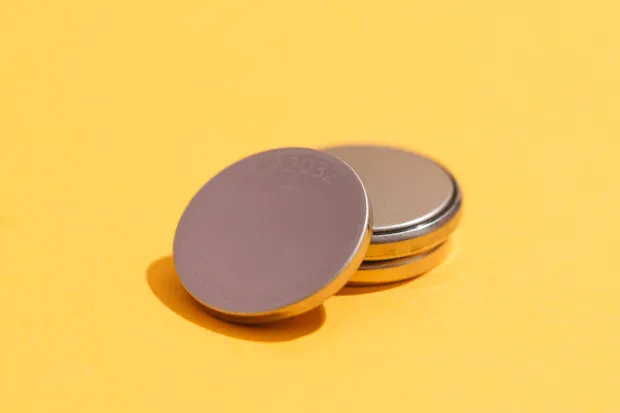
Button batteries or lithium coin cell batteries are found in many devices, including children’s toys, and if swallowed, they can be incredibly dangerous and life threatening. Sometimes button batteries pass straight through without causing harm. However, if a battery, particularly a lithium coin one gets stuck in the oesophagus or gut it can cause serious problems.

Burns

Burns from button batteries are not usually due to chemicals leaking from the battery but because the battery itself reacts with bodily fluids, such as mucus or saliva. This reaction releases a substance like caustic soda, which is a strong alkali (as dangerous as a strong alkali) that burns through flesh. This is like the substance used to unblock drains!

Even ‘dead’ batteries can cause damage so should be treated just as carefully as new batteries. The burns from the caustic soda can lead to catastrophic internal bleeding and death. The reaction can happen in as little as two hours. If a button battery gets stuck in a child’s nose or ear it can also cause serious damage.

What to do if you suspect your child may have swallowed a battery

If you suspect your child or a child in your care has swallowed a button battery, take them to your nearest Accident and Emergency (A&E) department as quickly as possible if the child is showing any signs of bleeding call 999 straight away.

Do not delay getting to hospital.

So why Honey?

According to a report published in the Canadian Medical Association Journal in September 2021, small doses of honey administered while waiting for the battery to be removed can mitigate injuries from swallowed batteries. Honey is slightly acidic, which helps to neutralize the alkaline solution created when the battery touches the oesophageal lining.

A following study in Philadelphia has shown that feeding your child 2 teaspoons of honey every 10 minutes can help to reduce the damage caused to internal tissue by the battery. The honey will create a protective barrier between the tissue and the battery, as well as neutralising the harsh alkaline levels.

Only give your child honey if they are older than 12 months and never give if the child has a known allergy to honey. This method should be used on route to A&E or while waiting for an ambulance.

Do not give them anything else to eat or drink or try to make them sick. If you try and make them vomit, it might cause further damage from the caustic soda from the battery.

If possible, try to find out what sort of battery your child swallowed but do not delay taking them to hospital if you cannot immediately see what they have swallowed.

Facts.. You know I’m all about evidence!

NHS foundation Trusts as well as the Ambulance service are now actively advising the use of Honey in these emergency situations.

https://www.alderhey.nhs.uk/what-to-do-if-your-child-swallows-a-button-battery/

https://www.bing.com/ck/a?!&&p=ee60e4fc3040ae40bd322edf86c62161d5a5101249b1ab6e350efcfce966a965JmltdHM9MTczNjk4NTYwMA&ptn=3&ver=2&hsh=4&fclid=2272dfbb-10eb-60b9-2b0c-cd1811fe612c&psq=NHS+battery+and+honey&u=a1aHR0cHM6Ly93d3cubnd0cy5uaHMudWsvX2ZpbGUvckl6elVucFpPbV8zMDk2NzUucGRm&ntb=1

https://www.cuh.nhs.uk/patient-information/button-battery-ingestion-in-children-advice-for-parents-and-carers/

Remember!

2 teaspoons every 10 mins can save a life!

over ones only.

ICE ON HEAD BUMPS YES OR NO

Friday, December 9th, 2022

🧊 ICE ON HEAD BUMPS YES or NO??? 🤯🤯

Here we go again! So many people again saying to me “on my last course they said not to use ice as swelling is good and Ice causes brain damage” 🤔🤦‍♀️This statement is wrong.

❗️CREDIBILITY❗️
As trainers we follow UK Resus Council Guidelines, NICE Guidelines, as well as guidance from NHS and other members of https://firstaidqualitypartnership.org.uk/ Such as St Johns Ambulance, Red Cross ect.

They set the clinical standards that we as companies deliver through our Awarding organisations. You will see below ALL advise the use of wrapped ICE for Sprains and Strains and HEAD BUMPS 🤕and Minor Head Injury’s!

Other Head injury’s include, skull Fractures, cerebral compressions and concussion. These injury’s would always be dealt with at hospitals by medical professionals. These types of injury can take over 24 hours to show, hence head bump/injury forms should always be issued explaining the symptoms of of such injury.

❗️THE HEAD🤕
Most often, goose eggs and other head bumps aren’t a major cause for concern. But it’s important to know when to reach for an ice pack so we wont hopefully end up needing Emergency care.

“Goose egg bumps” can be especially prominent in young children, based on the simple fact that they have less space on their heads for blood to collect.

❗️SO THE SCIENCE……. 🧬 Why ice 🧊
Core and brain temperature are naturally elevated after exertion or injury and normalizing that temperature is an important aspect of recovery. External cooling applied to the head and neck can be effective at lowering brain temperature by small amounts and these reductions in temperature may have a positive impact on healing.

The forehead and scalp have an abundant blood supply, and injury to these areas often results in bleeding under the skin. When the bleeding is in just one area, it causes bruising and swelling (Hematoma) potentially causing pressure on the brain if not treated.

🧊When you injure a body part, your body goes through the inflammatory process.
Hallmarks of inflammation include:

* Increased tissue temperature
* Redness
* Pain
* Swelling

🧊Inflammation happens when your body sends more blood and cells to the injured part to help it heal but also potentially causing more pressure, Swelling and pain happen as a result of this process. Ice can help control those symptoms.

🧊Ice causes vasoconstriction. This is a narrowing of blood vessels. When this happens, less blood reaches the injured area. This helps keep swelling down thus stopping pressure internally also. Ice also helps decrease pain signals.

🧊Ice should only be used for a maximum of 20 minutes I teach the 2 on 2 (minutes) off method so not to hold in place the whole time. Always make sure you wrap your ice, as ice directly on the skin can cause issues such as burns.

❗️SOURCEs as always…..
Below is the NHS, St John’s and other FAQPS members guidance on the use of ICE for treating minor head bumps and injury’s.

https://www.nhs.uk/conditions/minor-head-injury/

https://www.sja.org.uk/get-advice/first-aid-advice/head-injuries/adult-head-injury/

https://www.redcross.org.uk/first-aid/learn-first-aid-for-babies-and-children/head-injury


STREP THROAT WARNING

Thursday, December 8th, 2022

Strep Throat Warning. With the extremely sad passing of 6 children under the age of 10 already this winter season I thought I would do a short info post called Strep Throat Warning.

😪Please everyone keep a eye on your children, Strep Throat is an infection caused by a bacterium known as Streptococcus pyogenes,🦠 also called group A streptococcus.

Strep throat can occur at any age, even during infancy. However, strep throat is most common in school-age children🚸 The bacteria usually cause a mild infection producing sore throats or scarlet fever that can be easily treated with antibiotics 💊 In very rare circumstances, this bacteria can get into the bloodstream and cause serious illness called invasive group A strep (iGAS) this is still uncommon. However, it is important that parents are on the lookout for symptoms and see a doctor as quickly as possible so that their child can be treated and can stop the infection becoming serious.

Children who develop strep throat may have signs and symptoms including:

❗️Irritability

See the source image

❗️Fever
❗️Refusal to eat or feed
❗️Swollen glands in the neck
❗️Red and swollen tonsils, sometimes with white patches or streaks of pus
❗️Headache
❗️Stomachache
❗️Nausea or vomiti
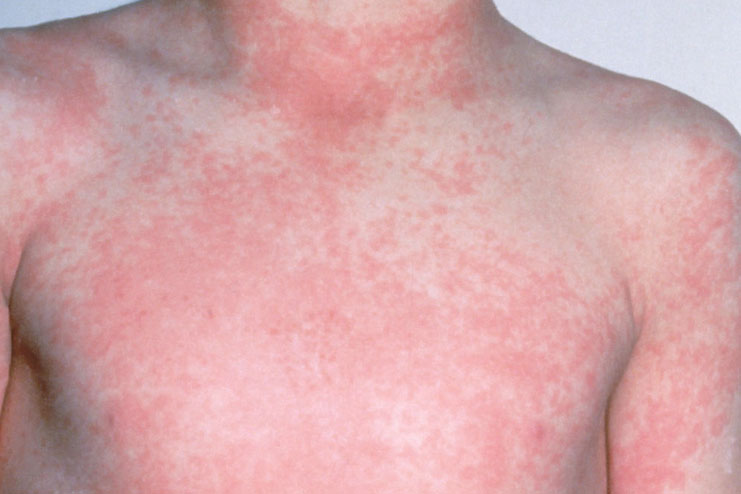
❗️A fine, red rash on the torso, arms and legs
Treatment for strep is typically a course of antibiotics, until this is prescribed over the counter pain refill eg paracetamol can be used. Recurrent strep throat may be treated with a different antibiotic from the one prescribed originally.
Early intervention is key and as parent, if you feel that your child seems seriously unwell, you should trust your own judgement. Contact ☎️NHS 111 or your GP if:
❗️your child is getting worse
❗️your child is feeding or eating much less than normal
❗️your child has had a dry nappy for 12 hours or more or shows other signs of dehydration
❗️your baby is under 3 months and has a temperature of 38°C, or is older than 3 months and has a temperature of 39°C or higher
❗️your baby feels hotter than usual when you touch their back or chest, or feels sweaty
❗️your child is very tired or irritable

Streptococcal bacteria are contagious. They can spread through droplets when someone with the infection coughs or sneezes, or through shared food or drinks. You can also pick up the bacteria from a doorknob or other surface and transfer them to your nose, mouth or eyes. Keep hand washing guys! 👏🏻

No photo description available.

Paediatric First Aid is Coming to York

Wednesday, May 5th, 2021

Watson Training Services are super excited to announce we are EXPANDING from September we will be holding our BLENDED PAEDIATRIC FIRST AID courses at the stunning brand new The Little Gym York at the all new Community Stadium.


Blended Paediatric First Aid is just 1 Day practical classroom based and up to 6 hours online with a log in log out learning platform making it perfect for busy child careers to work around their learning.


This course is for Ofsted registered child carers including nursery staff and childminders, nannies and educational staff. Students are required to complete an eLearning module before attending the face-to-face training.


This online course can be completed on any PC or mobile device. Learners can study at their own pace and log in and out as often as they wish. Students will be tested on all topics during the eLearning and a certificate of completion is printed at the end and must be brought to the face-to-face training. The purpose of the face to face training is to give students lots of time for practical activities such as CPR, bleeding etc.


YORK face to Face training will now be delivered in the brand new Little Gym York at Community Stadium as well as our Rudding Estate Harrogate venue and costs just £85pp with a regulated Level 3 qualification and yummy lunch delivered on site by the Snaffling Hog Box Catering.                                                                       

Dates for Our new YORK classes are now available on line to book here https://www.watsontrainingservices.co.uk/shop/blended-paediatric-first-aid-level-3/


Watson Training services are a local Award Winning independent training company established in 2013 by Ex Military instructors who run a range of courses for adults and children as well as holiday clubs.

Courses Include.

First Aid at Work

Paediatric First Aid

Blended Paediatric First Aid

Emergency First Aid

Forest School First Aid

Mental Health First Aid

Mental Health Training

Safeguarding                                                                                                                                                                 ​

Understanding County Lines Drug Training

Anaphylaxis and Allergy injection Training

Student First Aid age 11-17

Mini Medics Holiday classes age 7-11​

eLearning, Food Hygiene, Fire Safety Safeguarding


We are a COVID secure Training Center

Thursday, June 4th, 2020

WE ARE COVID SECURE 

We have been busy creating a new style COVID SECURE Classroom ready to welcome back in June our Childminders/nanny’s/Key workers.
Hopefully then in July we will expand the class sizes further as the levels drop and start all classes again

WHAT HAVE WE DONE?
💚 Reduced class size to only 5 students
💚Health checks on arrival
💚Blended Learning Available reducing class time
💚2m between students
💚 individual waters, refreshments, candy
💚Gloves, Masks (optional) Face Shield, Hand
sanitiser for each student
💚Training manikin for each student (no sharing)
💚Full risk assessments complete
💚COVID Secure documents available to read
💚fresh lunch served in individual refrigerated disposable boxes
💚 Hand wash and hand rub stations throughout the center

Blended learning and Face to Face dates are now available on our website to book if you have already booked and missed your course please contact us to choose your new date. In June it’s only 5 per class so don’t miss out.

Shellfish Allergies And Straws?

Wednesday, September 4th, 2019

Shellfish Allergies And Straws?

“Are you Allergic to Shellfish”? The bar lady from the Old Spring Well Harrogate asked me! Why did she ask me this question? Something many of you may not know, with a ban on plastic straws coming in, this has led to a number of biodegradable resources being used in straws instead. Businesses should be warning customers that their new straws may contain discarded sea shells, known as chitosan. Therefore they are NOT suitable for vegans, vegetarians or a persons with seafood allergies.

Shellfish allergies and straws

So what is chitosan? 

Chitosan is a polymer that is made by modifying chitin – a major component of the exoskeletons of arthropods, the cell walls of fungi, and the shells of shellfish (crustaceans)

It’s entirely naturally occurring, hence it is also renewable.

The chitin used in chitosan products is sourced from the crushed up shells of various aquatic creatures, which would normally be considered as a waste product of the fishing industry.

This means that animals could potentially have been harmed in the making of these straws, potentially making them unsuitable for vegetarians and Vegan as well. Because they are sourced from “shellfish”, these straws are unsuitable for various religious dietary codes that forbid the usage of such animals.

Studies show that reactions to people with shellfish allergies to chitosan, they pretty much all show that they had no reaction to them. However caution must be taken, as while the actual risk of them triggering an allergic reaction is quite low, it is always better to be safe than sorry.

So as you can imagine I was pleased when they asked me this, as this is the first time since the ban of plastic straws was discussed someone has actually asked me! luckily I know being an Anaphylactic and an Allergy trainer, but so many have no idea, as it’s so new. I hope more businesses follow suite! Well done The Old Spring Well.  Please share and get the word out there for other allergy sufferers

Mental Health First Aid…. My Story

Friday, February 22nd, 2019

Mental Health First Aid

I was just 17 years old when my uncle sadly took his own life due to his own personal struggles, being in phase 2 military training ment I couldn’t attend his funeral, I never truly understood what mental health was back then, as nearly 20 years ago wasn’t something we discussed.
Since then I have grown to see the effects struggling with mental health issues can have on a person or family including my own with my mum struggling with the aftermath of my uncle’s death and having friends and past colleges whom have sadly lost their battle to PTSD and depression.


Mental health problem are something we or you may be afraid to talk about or even truly know you have, and can affect anyone in a multitude of ways! It is said 7.8 in every 100 people suffer with anxiety or and depression and a staggering 20.6 in every 100 people have suicidal thoughts! 


The world would truly be a better place we all could find a way to be at peace with our mind, it is however not always possible but if we could help someone find their peace and support them, this is our next step! Mental Health First Aiders are or could be a life line. Mental Health First Aid (MHFA) is an internationally recognised training course, designed to teach people how to spot the signs and symptoms of mental ill health and provide help on a first aid basis. In the same way as learning physical first aid, MHFA teaches people how to recognise those crucial warning signs of mental ill health and feel confident to guide someone to appropriate support.


Embedding MHFA training within any organisation or community also encourages people to talk more freely about mental health, reducing stigma and creating a more positive culture.
It is now widely believed every workplace should have a Mental Health First Aider, it’s a legal requirement for the body, well why not the mind? As a company I am passionate about supporting people with mental Health issues and we are excited to be one of the only companies in the area running the MHFA accredited course.
Join us on our first course in June at the Cairn Hotel in Harrogate and let’s spread the word and start supporting not hiding! 🙏

Mental Health First Aid MHFA is an internationally recognised training course, designed to teach you how to spot the signs and symptoms of mental health conditions and provide help on a first aid basis. The course is delivered by a quality assured instructor and can be attended by people aged 16 upwards at our venues around the Harrogate and Ripon Area.

The course will:

  • Give a deeper understanding of the issues that impact on and relate to people’s mental health
  • Teach practical skills that can be used every day, including being able to spot the signs and symptoms of mental  health issues and feel confident guiding people towards appropriate support.

Independent research and evaluation shows that taking part in an MHFA course:

  • Raises awareness and mental health literacy
  • Reduces stigma around mental ill health and feel confident guiding people towards appropriate support
  • Boosts knowledge and confidence in dealing with mental health issues
  • Encourages people to start a conversation with a person who may be experiencing a mental health issue
  • Promotes early intervention which enables recovery MHFA won’t teach you how to be a therapist, but you will be able to say you’re a Mental Health First Aider.

This is a 2  day classroom based course. Dependant on the learner’s experience, there may well be some pre-course or post-course reading.

The history of a Defibrillator

Thursday, January 17th, 2019

Defibrillators were first demonstrated in 1899 by Jean-Louis Prévost and Frédéric Batelli, two physiologists from University of Geneva, Switzerland. They discovered that small electrical shocks could induce ventricular fibrillation in dogs, and that larger charges would reverse the condition.

The external defibrillator as known today was invented by Electrical Engineer William Kouwenhoven in 1930. William studied the relation between the electric shocks and its effects on human heart when he was a student at Johns Hopkins University School of Engineering.

Kouwenhoven’s observation was picked up by a pioneering cardiac surgeon, Claude Beck, at the University Hospitals of Cleveland. He began delivering AC directly to the exposed hearts of animals he had put into ventricular fibrillation. Beck might have continued methodically with his animal experiments, except that in 1947 a 14-year-old patient’s heart stopped during surgery. Out of desperation, Beck ordered that his research unit be brought up from the hospital’s basement. This simple defibrillator consisted of a transformer to isolate the patient from the 110-volt ac wall supply, a variable resistor to limit the current to a heart-safe value, and two metal tablespoons with wooden handles to deliver the jolt to the exposed heart.

The first shock failed, so Beck administered a second. That brought the patient back to life, and the event made national news. But because so little was known about why the technique worked or how to improve it, these crude ac systems persisted for several years. Recipients of closed-chest ac defibrillation tended to suffer unpleasant side effects from the large steady currents, including broken ribs and damage to the heart muscle—if they were saved at all. defib

Unknown to Beck and his colleagues in America, investigators in Europe and Russia were far ahead of them in animal research and were beginning to use a single pulse, or dc, defibrillation.

Decades later, one of Kouwenhoven’s graduate students, Lina Schtern, moved to the Soviet Union and continued to refine the technique—that is, until she received a death sentence during a crackdown on intellectuals under Joseph Stalin. She was eventually pardoned by the dictator himself, who (according to accepted rumour) believed that she could bring people back from the dead.

In 1933, Dr. Albert Hyman, heart specialist at the Beth Davis Hospital of New York City and C. Henry Hyman, an electrical engineer, looking for an alternative to injecting powerful drugs directly into the heart, came up with an invention that used an electrical shock in place of drug injection. This invention was called the Hyman Otor where a hollow needle is used to pass an insulated wire to the heart area to deliver the electrical shock. The hollow steel needle acted as one end of the circuit and the tip of the insulated wire the other end. This never caught on and there was very little clinical data to support that this actually achieved anything.

A major breakthrough was the introduction of portable defibrillators used out of hospital in the 1950’s. Pioneered in the old Soviet Union and satellite countries, the Czechoslovakia Gurvich Peleška’s Prema defibrillator was designed to be more portable than original models used elsewhere in the world. In the Soviet Union, a portable version of Gurvich’s defibrillator, model DPA-3, was first reported in 1959. However, In the west the development of the portable defibrillator is accredited to Prof. Frank Pantridge in Belfast, who in the early 1960s developed the first truly portable device, weighing over 70Kg and needing its own vehicle to transport it! By today, portable defibrillators are among the many very important tools carried by ambulances and also used in public settings by lay-persons. They are the only provable way to resuscitate a person who has suffered a cardiac arrest unwitnessed by Emergency Medical Service (EMS) who are still in persistent ventricular fibrillation or ventricular tachycardia prior to the arrival of an ambulance.

The ‘father’ of the modern AED, Professor James Francis “Frank” Pantridge, CBE, MC, MD, (1916 – 2004) was a physician and cardiologist from Northern Ireland who transformed emergency medicine and paramedic services with the invention of the portable defibrillator. A very good history of Dr Pantridge was presented by the BBC and can be found at http://www.bbc.co.uk/news/uk-northern-ireland-35160465

Gradual improvements in the design of defibrillators, partly based on the work developing implanted versions, have led to the wide availability of Automated External Defibrillators. These devices can analyse the heart rhythm by themselves, diagnose the shockable rhythms, and charge to treat. This means that no clinical skill is required in their use, allowing lay people to respond to emergencies effectively. There are many types of devices, and at CHT we look at these, and grade them as to their suitability for community use (as defined by the untrained user).

When choosing a defibrillator, talk to specialist organisations. There are many retailers who offer ‘discounted’ defibrillators, many of which have been superseded by more appropriate equipment for community use. Many of these will make claims which are unfounded or just inaccurate. When acquiring a defibrillator, go for the best you can afford. A ‘Cheap’ device is most likely to be an older design, lacking in some aspects of functionality, are not FDA approved, or new manufacturers trying to gain market share.

Horsefly Bites! What you need to Know!

Monday, July 2nd, 2018

What are Horseflies?

Having dealt with over 20 bites at an event myself and my team covered last week,  i thought i would do a blog to warn people about the increase in Horseflies due to the weather, and give you some tips to help if you or your children get bitten. They’re large, dark-coloured flies which are around 1cm-2.5cm in size. They’re generally found near to cattle, horse stables, ponds, pools, woodlands, and grassy areas.downloadOnly females bite because they need blood to produce eggs. They have tiny razor teeth which cut into the skin, then they release an anti-coagulant to stop the blood from clotting while they enjoy their meal.

Horsefly Bites

Humans find horse-fly bites painful. Usually, a weal (raised area of skin) occurs around the site, and other symptoms may include urticaria (a rash), dizziness, weakness, wheezing, and angioedema (a temporary itchy, pink or red swelling occurring around the eyes or lips); a few people experience an allergic reaction. The site of the bite should be washed, and a cold compress applied. Scratching the wound should be avoided and an antihistamine cream can be applied.

Drawing round the bite

After being bitten i would always advise to draw round the outside of the wound with a biro and keep an eye on it, if the redness extends past the biro line within 24pri_47745634-e1501133963557hrs then this could mean your bite is tracking! this could be a sign of infection.

Seeking Help

In most cases, the symptoms subside within a few hours, but if the wound becomes infected, or your symptoms don’t start to improve within a few days or are getting worse and if you’ve been stung or bitten in your mouth or throat, or near your eyes you should seek advice from you GP STRAIGHT AWAY

How will i know if its infected?

Contact your GP or call NHS 111 for advice if: you’re worried about a bite or you should go to A&E if any of the below apply to your bite area

  • A large area (around 10cm or more) around the bite becomes red and swollen.image2-7JPG
  • you have symptoms of a wound infection, such as pus or increasing pain, swelling or redness and have limited movement to the area due to the swelling.
  • you have symptoms of a more widespread infection, such as a fever, swollen glands and other flu-like symptoms and the area will be warm to touch.

Treatment 

  • Wash the affected area with soap and warm water. (To remove any bacteria)
  • Apply a cold compress (such as a flannel or cloth cooled with cold water) or an ice pack to any swelling for at least 20 minutes.
  • Raise or elevate the affected area if possible, as this can help reduce swelling.
  • Avoid scratching the area, to reduce the risk of infection.
  • Avoid traditional home remedies, such as vinegar and bicarbonate of soda, as they’re unlikely to help.

The pain, swelling and itchiness can sometimes last a few days. over-the-counter treatments that can help, Antihistamines to help with swelling and irritation or paracetamol, calpol or ibuprofen for the pain and swelling. Anthiasan is a great antihistamine cream that can help with swelling and localised pain images

Exercise Induced Anaphylaxis

Saturday, March 24th, 2018

Most People associate Anaphylaxis with food allergies, but this is not the case. Exercise induced anaphylaxis is a potentially-serious condition in which anaphylaxis (a severe allergic reaction) occurs during or after physical activity.

What are the symptoms that could occur?
Mild symptoms that may occur include:
 Widespread flushing of the skin
 Nettle rash (otherwise known as hives or urticaria)
 Swelling of the skin (known as angioedema) anywhere on the body
 Swelling of the lips
 Abdominal pain, nausea and vomiting
Those mild symptoms can be present on their own, without more severe ones occurring. But you should watch carefully in case more severe ones begin to develop.
You could experience any of the following more severe symptoms:
 Swollen tongue
 Hoarse voice
 Difficulty swallowing
 Difficult or noisy breathing, wheeze, persistent cough
 Feeling faint or weak
There may also be a dramatic fall in blood pressure (anaphylactic shock). The person may become weak and floppy and may have a sense of something terrible happening. This may lead to collapse and unconsciousness.

How is anaphylaxis treated?
Pre-loaded auto-injectors (sometimes referred to as ‘pens’) containing adrenaline are prescribed for people believed to be at risk.
Because severe allergic reactions can occur rapidly, the prescribed 7DF5A2F4-9AC1-4074-9166-AEB93A2ACE54adrenaline auto-injector must be readily available at all times. The injection must be given as soon as a severe reaction is suspected to be occurring.
An ambulance must be called immediately following the use of the first device, even if there is immediate improvement or if further devices are available. The emergency service operator must be told the person is suffering from anaphylaxis and needs to be attended by paramedics.

Key points
 Make sure you get medical advice. See your GP and ask for a referral to an allergy clinic
 Once diagnosed, always carry your prescribed treatment AND INFORM THE GYM OR PERSONAL TRAINER
 If any symptoms occur, stop your exercising and rest. Do not drive
 Use your prescribed adrenaline as soon as a severe reaction is suspected to be occurring. An ambulance must be called immediately

If you suffer from Anaphylaxis and are concerned about an exercise induced attack, find a gym or trainer who is qualified in Anaphylaxis Awareness! This will give you peace oft mind that in the event it happened you are in safe knowing they are fully trained to deal with the situation.

Paul Garden from CODE Personal Training Harrogate has been working with Anaphylactic Clients for some time, and has now become the only Anaphylactic Awareness trained Personal Trainer in the district, trained in all aspects of Anaphylaxis and fully trained to administer adrenaline from all 3 injections.

E5A0B804-076E-4D5B-AB61-B6CAEE435D02


Course Updates Keep updated with our latest courses